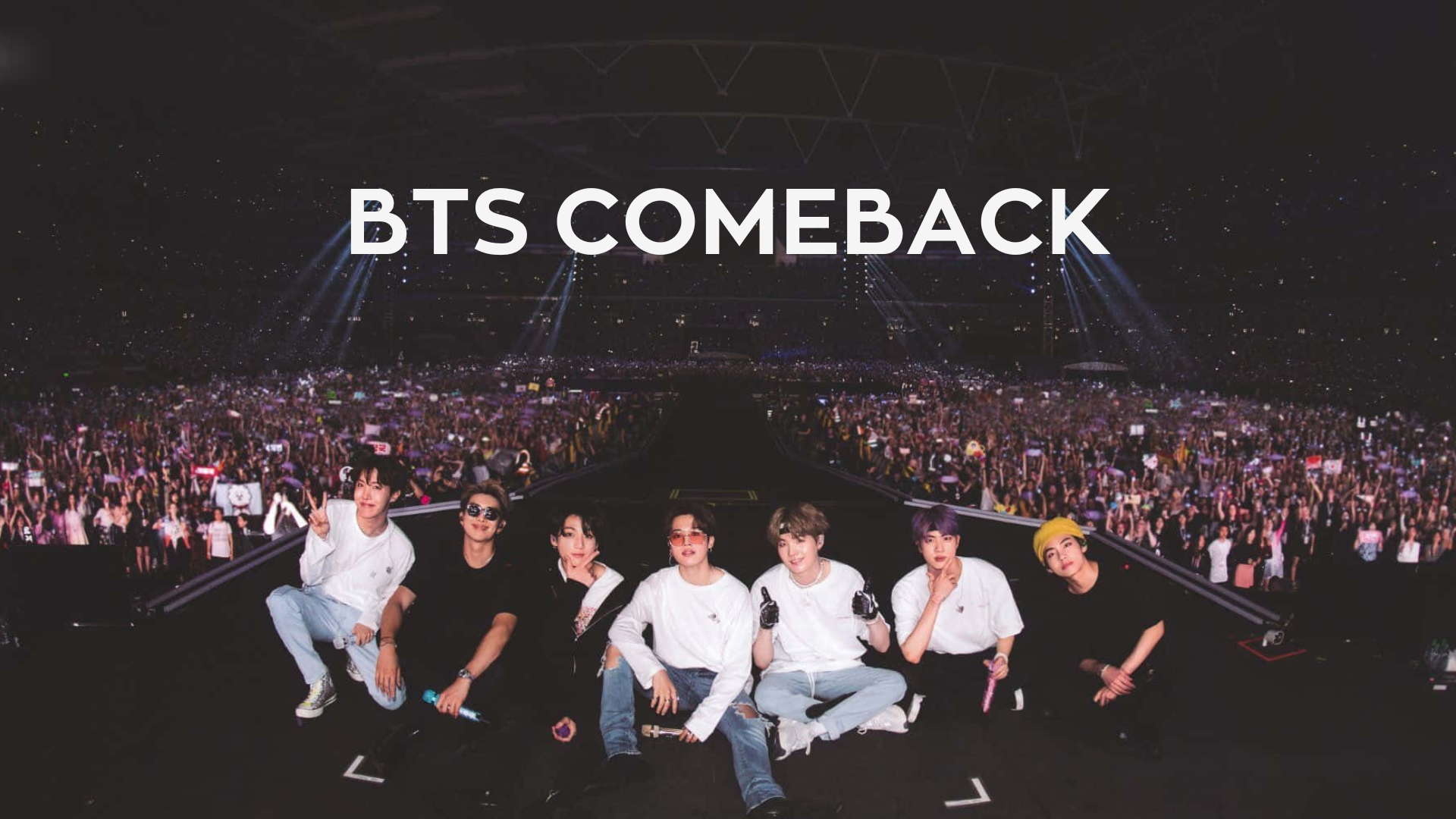
BTS is back in 2026. Here are 7 relationship lessons which their comeback teaches us about patience, loyalty, and staying committed when love gets difficult.
The wait is finally over. BTS has made their return after a long four-year break. For the Indian ARMY, the period from the announcement of their mandatory military service to this moment has been a long exercise in patience. Streaming parties in Mumbai, billboard tributes in Delhi, and a quiet, consistent support across the country, and the Indian fanbase held on.
But the BTS comeback is more than a music industry event. The four-year gap served as a real demonstration of what loyalty and sustained connection look like. In a dating culture that increasingly expects fast results, the BTS story offers a different perspective: that meaningful connections, with people or with art, can survive time and distance. Whether you are in a long-distance relationship or simply going through a quiet period with someone you care about, these seven lessons have something practical to offer. Before you explore them, see how your names align on the Saranghae Love Calculator.
The BTS comeback after four years shows that genuine connection can survive absence, that individual growth during time apart makes reunions stronger, and that loyalty maintained without daily reinforcement is a real psychological achievement. The seven lessons in this guide connect those themes directly to how we handle patience, distance, and commitment in our own relationships.
1. The Psychology of Anticipation: Why the Wait Matters
In relationship psychology, there is a concept known as "delayed gratification." We live in an era where people expect a text back in seconds and a match in minutes. BTS's four-year absence forced a global audience to sit with their feelings without constant new content to react to. This waiting period actually strengthened the emotional bond between the artists and the fans. When we genuinely value something and wait for it without certainty, our investment in it deepens. It stops being a casual interest and becomes part of how we understand ourselves. The same applies in relationships: willingness to wait, when the reason is clear, is a sign of genuine attachment, not weakness.
2. "Love Yourself" as a Prerequisite for Loving Others
The core philosophy of BTS, rooted in the Love Yourself era, became especially relevant during the hiatus. While the members were away working on individual growth and completing their duties, fans were encouraged to do the same. In relationships, one of the most common mistakes people make during a period of separation is stopping their own development while waiting for the other person. The 2026 comeback demonstrates that the strongest reunions happen between two people who have both continued growing. Working on yourself during a difficult period, which includes understanding your own love language, your needs, and your goals, puts you in a stronger position when the relationship resumes.
3. Loyalty in the Digital "Ghosting" Era
In 2026, "Ghostlighting" and short-term "Situationships" are common. Against that backdrop, the ARMY's sustained loyalty is a clear psychological demonstration that long-term, committed connection is still possible even when someone is not physically present. This mirrors what many Indian couples in long-distance relationships experience every day. The BTS story confirms what research in relationship psychology has shown: physical distance is manageable when the psychological foundation, which includes trust, clear communication, and shared values, is solid. You can assess how you communicate across distance by taking the Saranghae Love Language Test.
4. Growth in Absence: The Re-Discovery Phase
When BTS returned, they were not the same as when they left. They came back with new experiences, perspectives, and a different kind of confidence. This is a useful lesson for long-term relationships. People change over time, and that is not a problem, it is normal. Choosing not to give up on love means being willing to get to know your partner again after a period of significant change. A reunion should not be about returning to how things were before. It should involve genuine curiosity about who the other person has become, and a willingness to update your understanding of them.
5. The "OT7" Synergy: Compatibility in Diversity
One of the reasons BTS works as a group is the combination of seven genuinely different personalities. From RM's leadership style to V's artistic focus, they do not try to be the same, as they work because of their differences, not despite them. In a relationship, the goal is not to find someone identical to you. It is to find someone whose strengths and tendencies complement yours. Someone who approaches things differently is not a mismatch, they are a balance. Use the Love Calculator to explore how your names and personalities interact.
6. Overcoming the "Relationship Hiatus"
Most long-term relationships go through a quiet or difficult phase which is a period where things feel routine, distant, or stalled. During these times, it is easy to consider walking away. The BTS timeline is a useful reference: the 2022 to 2026 period looked, from the outside, like an ending. It was not. Many couples who have made it through a genuinely difficult period describe the same experience, where the hard phase felt permanent at the time but turned out to be temporary. If you are in a quiet period, focus on what brought you to this relationship in the first place. That history is not irrelevant; it is the context that makes the current difficulty worth working through.
7. Building Emotional Safety in a Relationship
BTS often references the concept of a mental space, the "Magic Shop", where fear can be exchanged for connection. In psychological terms, this describes what is called Secure Attachment: the belief that the relationship is a safe space, even during uncertainty. Choosing not to give up on love requires maintaining a baseline of trust that the relationship can recover and improve. The BTS comeback is a real-world example of that belief being validated. Even during a four-year absence, the trust held. In your own relationship, building this kind of safety is the work, and it shows up in everyday decisions, not just big gestures.
8. The Impact of K-Culture on Indian Romance
In 2026, Korean popular culture has had a measurable effect on how young Indians think about relationships. There has been a clear shift away from the possessive or aggressive romantic archetypes that once dominated Indian cinema toward the more respectful, emotionally aware dynamic common in K-Dramas and K-Pop. The BTS comeback sits at the centre of this cultural change. Their public communication, including how they talk about each other, about their work, and about their fans, consistently models patience, mutual respect, and emotional honesty. These are the same qualities that define a green flag relationship.
9. Patience as an Act of Courage
The general message in modern dating culture is that "moving on" is always the stronger choice. That is not always accurate. There are situations where staying, as in choosing to work through something instead of leaving, takes more courage than walking away. Waiting for BTS meant resisting the pull toward newer, more immediately available content. In a relationship context, this translates to resisting the temptation to leave at the first serious difficulty. The 2026 reunion is a recognition of everyone who stayed and kept their commitment without knowing when the reward would come.
10. Being Clear About What You Want
Within the BTS fandom, there was always a shared understanding that the group would return. That clarity, as a defined idea of where things were heading, made the uncertainty of the timeline manageable. In a relationship, having honest clarity about what both people want, even when things are difficult, makes a significant difference. When the direction is agreed upon, the difficult periods become something to work through rather than signs that things are over. If you feel confident about your connection, take stock of your compatibility and keep working on what actually matters, which is communication, trust, and consistency.
Conclusion
The BTS comeback of 2026 is a concrete example of what sustained commitment looks like over time. Four years passed. Individual paths were taken. The connection held. For anyone currently in a difficult period with someone they care about, whether in a long-distance relationship, a quiet phase, or a point where the relationship requires more effort than it is currently giving back, the BTS timeline is a useful reference. Time and difficulty are not automatically signs that something is over. They are often just part of what a relationship that lasts actually looks like.
If you are in a waiting period, use it well. Take our Love Language Test to better understand what you need and what your partner needs. Check how your names align on the Saranghae Love Calculator. And keep working on yourself, because the strongest version of you is the best thing you can bring to any relationship.
Frequently Asked Questions
1. Why did the BTS hiatus feel like a "breakup" for many fans?
Psychologically, fans have a "parasocial relationship" with the members. The absence triggered emotional responses similar to a real-life separation. The successful comeback reinforces the idea that separations can be temporary and that connection can be rebuilt after time apart.
2. How can I apply BTS's "Love Yourself" message to my dating life?
It means setting clear limits and not accepting treatment that consistently makes you feel undervalued. When you have a stable sense of your own worth, you are more likely to build and maintain relationships with people who actually respect you.
3. Can the Love Calculator predict if a K-pop idol is my soulmate?
The Love Calculator is a fun tool for name harmony and not a serious compatibility test. Real compatibility is built on shared values and consistent communication. But a 99% score with your bias is still a good result for the day.
4. How do I deal with a partner who doesn't understand my love for K-culture?
Bring them in gradually. Watch a K-Drama together or share a BTS playlist and explain why it matters to you. A partner who respects your interests even without sharing them is showing a clear sign of emotional maturity which is exactly what a green flag partner looks like.
5. Is 4 years too long to wait for love?
There is no standard timeline. If both people are continuing to grow and the commitment remains honest and mutual, time alone is not the problem. However, if the wait is causing consistent emotional distress or the communication has broken down, it is worth having an honest conversation about where things actually stand.